How Child Support Works in Canada
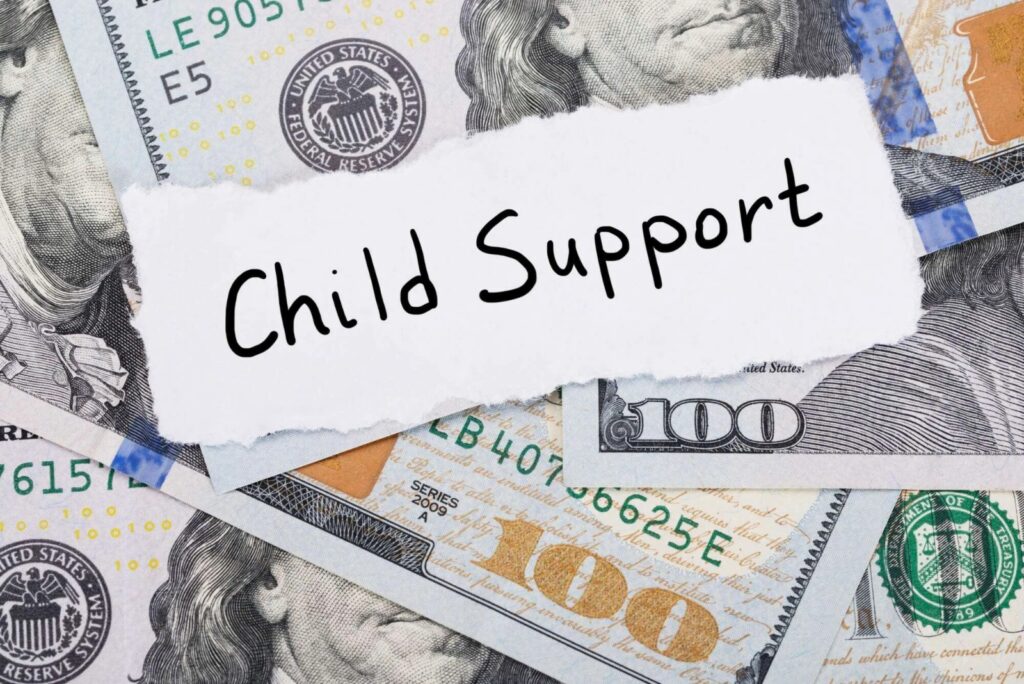
Child support is a legal obligation, not a choice. It ensures that children continue to receive financial support after separation. Payments are calculated using federal or provincial guidelines based on income and number of children. The parent with less parenting time typically receives support, but this can vary in shared custody arrangements. Child support covers […]
Understanding Family Law Mediation Agreements

Mediation agreements are legally binding when properly documented. They reflect mutually agreed solutions rather than imposed decisions. This often leads to better long-term outcomes. Legal review ensures fairness and enforceability.
What Is a Parenting Coordinator?
A parenting coordinator helps resolve disputes between separated parents. They assist with implementing parenting plans and improving communication. Their role reduces the need for court involvement. This can save time, money and stress.
Common-Law Relationships: Rights and Responsibilities
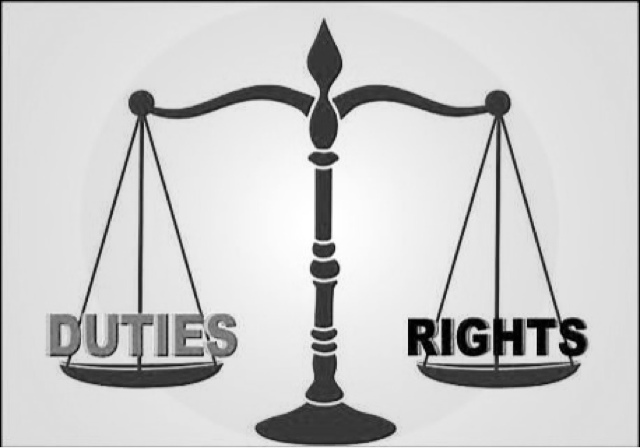
Many couples in Canada live together without getting legally married. These are known as common-law relationships, and while they share similarities with marriage, the legal rights can be quite different. A common-law relationship is generally recognised after living together for a certain period, often two to three years, depending on the province. However, this does […]
Can a Child Choose Which Parent to Live With?

Children’s preferences may be considered, but they are not the only factor. Courts assess maturity and whether the preference is genuine. The final decision always focuses on the child’s best interests. Parents should avoid pressuring children to choose sides.
What Is Equalization of Property?

Equalization is the process of dividing financial gains made during a marriage. Each spouse calculates their net worth at the start and end of the relationship. The difference is shared equally. This ensures fairness, regardless of who earned more. Accurate financial records are crucial in this process.
How Prenuptial Agreements Work in Canada

Prenuptial agreements, often called “prenups,” are legal contracts created before marriage. While some people see them as unromantic, they are actually practical tools for financial clarity. A prenup allows couples to decide in advance how assets, debts and financial responsibilities will be handled if the relationship ends. This can significantly reduce conflict during separation. These […]
Can You Represent Yourself in Family Court?

While it is possible to represent yourself, family law can be complex. Self-representation may save money initially but can lead to costly mistakes. Legal procedures, documentation and court rules require careful attention. A lawyer ensures your case is presented effectively and your rights are protected. In most cases, professional guidance is worth the investment.
Parenting Plans for Busy Schedules

Modern families often juggle demanding schedules. Creating a parenting plan that reflects this reality is essential. Flexibility is key. Plans should account for work hours, travel and children’s activities. Clear communication between parents helps avoid misunderstandings. Including backup arrangements ensures stability when unexpected situations arise. A well-designed plan supports both parents and prioritises the child’s […]
What Happens If You Cannot Afford Child Support?

Child support is mandatory, but financial hardship can make payments difficult. If your circumstances change, such as job loss or reduced income, you may apply to modify the support order. Ignoring payments is not recommended. It can lead to enforcement actions like wage garnishment. Courts understand financial challenges but require proper documentation. Seeking legal advice […]